

Understanding the condition of your built assets is fundamental to making informed decisions about maintenance, risk and future investment.
Yet across complex estates, asset information can quickly become outdated. Equipment is replaced, buildings change, maintenance responsibilities evolve and data is transferred between systems and service providers. Over time, the asset register may no longer accurately represent what is actually present across the estate.
An asset condition survey provides an opportunity to re-establish that understanding.
By combining physical asset verification with structured condition assessment, organisations can create a reliable baseline from which to plan maintenance, prioritise investment and manage their estate more effectively.
Here are five reasons to undertake an asset condition survey.
1. Understand what you have and its condition
Effective asset management starts with a simple question:
What do we actually have?
For many organisations, answering that confidently can be surprisingly difficult.
Asset registers naturally deteriorate over time as equipment is replaced, removed or added. Information may also be incomplete following changes in service provider, historic data migrations, building alterations or inconsistent data management.
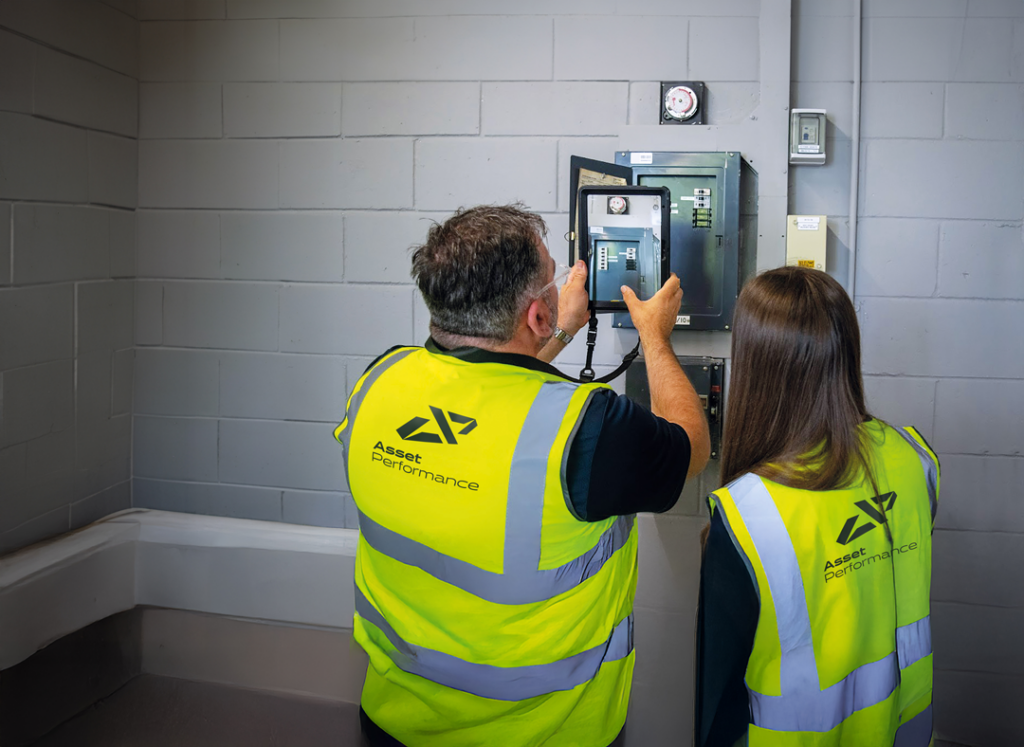
A physical asset survey provides an opportunity to verify the assets present across an estate and assess their current condition.
Depending on the scope, this can capture information such as asset type, manufacturer, model, location, age, condition and other relevant attributes.
The result is a more reliable asset baseline against which maintenance, investment and operational decisions can be made.
2. Identify risk before it becomes failure
Not every asset showing signs of deterioration requires immediate replacement.
But organisations need to know where those issues exist.
Structured condition assessment provides an independent view of asset condition across buildings and portfolios, helping identify equipment that may require further investigation, maintenance, refurbishment or replacement.
This becomes particularly valuable when condition information is considered alongside factors such as operational criticality, remaining life and consequence of failure.
Rather than waiting for failure to determine priorities, estates and facilities teams gain greater visibility of emerging risks.
That creates an opportunity to plan interventions before issues result in unexpected downtime, emergency expenditure or disruption to building users.
3. Build an evidence-based CAPEX plan
Capital investment decisions are rarely made in isolation.
Across a large estate there may be hundreds or thousands of competing requirements, all requiring some level of future expenditure.
A condition survey provides the evidence needed to begin prioritising those requirements consistently.
Assets can be assessed according to their condition and remaining life, with future replacement or refurbishment requirements incorporated into a structured capital programme.
Photographic evidence and clearly documented assessments also provide greater transparency when investment recommendations need to be presented to finance teams, senior stakeholders or clients.
Instead of simply stating that investment is required, organisations can demonstrate where it is required, why it is required and when it is likely to be required.
This provides a stronger foundation for medium- and long-term CAPEX planning.
4. Strengthen compliance and risk management
Compliance management depends on knowing which assets require inspection, testing or maintenance in the first place.
If an asset register is incomplete, the processes built around that information may also be incomplete.
Asset verification can therefore provide an important foundation for wider compliance management by establishing a more accurate understanding of relevant maintainable assets across the estate.
The survey itself does not replace statutory inspections, specialist testing or other compliance activities. Instead, it helps establish the asset information required to manage those obligations more effectively.
This distinction is important.
A reliable asset baseline enables organisations to better understand the scope of their estate, identify potential data gaps and provide greater confidence that relevant assets are being incorporated into appropriate maintenance and compliance processes.
5. Create a reliable commercial baseline
Accurate asset information is particularly important when facilities management services are being procured, mobilised or reviewed.
Maintenance requirements, labour assumptions and service costs are often derived from the asset register.
When that information is incomplete, different bidders may make different assumptions about the actual scope of the estate. This can make quotations difficult to compare and create the potential for commercial variations after a contract begins.
A verified asset register creates a more consistent baseline.
Clients can provide bidders with better-quality information about the assets requiring maintenance, while service providers can develop labour and maintenance requirements against a clearer understanding of the estate.
The same principle applies during mobilisation or an existing contract.
Verifying the asset base can identify differences between the contracted asset register and the physical estate, allowing those differences to be understood and addressed rather than remaining hidden within the service.
From a survey to better asset decisions
The real purpose of an asset condition survey isn’t simply to create another dataset.
It is to establish a reliable understanding of the physical estate that can support the decisions made around it. Once that baseline has been established, the next challenge is turning the findings into measurable operational and financial value. Our guide to How To Make An Asset Condition Survey Pay For Itself explores how survey data can be used to improve maintenance, reduce unplanned expenditure and inform future investment.
That information can subsequently inform maintenance strategy, lifecycle planning, CAPEX forecasting, compliance management and wider estate strategy.
For organisations managing large or complex portfolios, this creates something particularly valuable: a consistent evidence base for understanding condition, risk and future financial exposure across the estate.
At Asset Performance, our approach combines asset verification and condition assessment with the wider analysis required to turn physical survey information into actionable asset intelligence.
Because knowing what you have is important.
Understanding what it means is where the value begins.
Lets Talk
Contact Us
We work with asset owners, FM providers, and consultants to deliver clear, data-led insight across complex estates. Whether you're exploring an initial survey or looking to improve long-term asset performance, get in touch and we’ll point you in the right direction.
408, The White Studios, Templeton St, Glasgow