
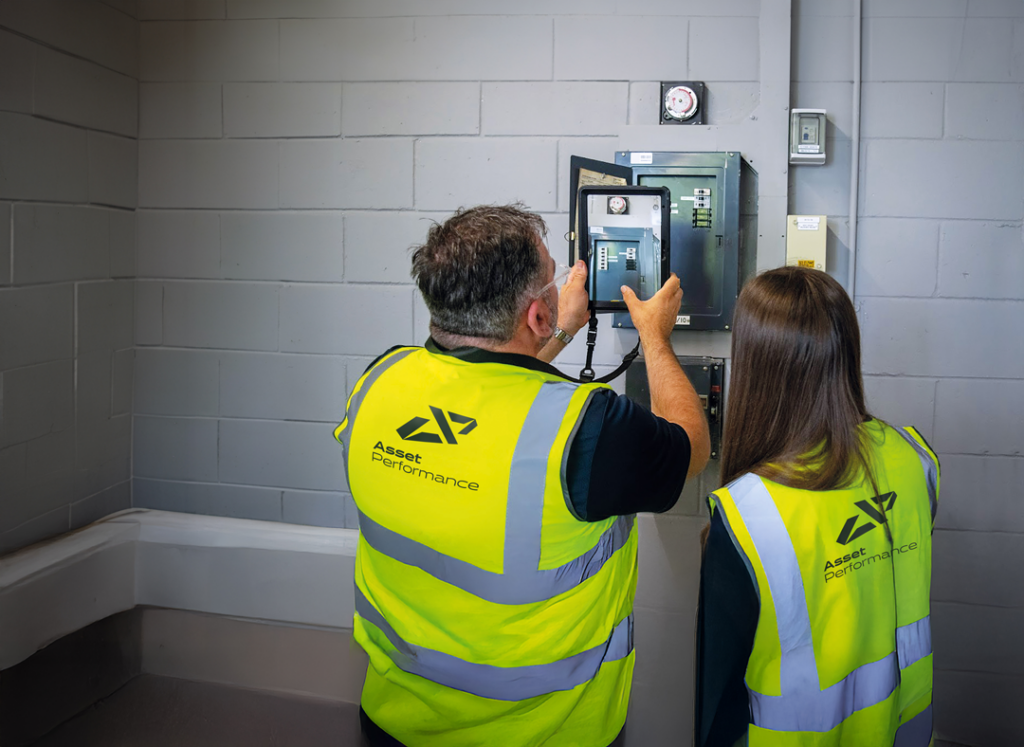

An asset condition survey is often viewed as a cost: a necessary exercise to understand the condition of an estate, satisfy a requirement or support a future programme of works.
But approached correctly, a condition survey can do much more than document what is there.
The real value lies in what happens next.
Accurate condition data can help organisations refine maintenance strategies, reduce unplanned expenditure, prioritise capital investment and make better-informed decisions about the future of their estate. In many cases, the financial and operational improvements enabled by the survey can significantly outweigh the original cost of carrying it out.
For organisations still considering whether an assessment is required, our guide to the Five Reasons To Undertake An Asset Condition Survey explores the wider operational, financial and risk-management benefits of establishing an accurate asset baseline.
Here are six ways organisations can turn asset condition data into measurable value.
1. Refine planned maintenance requirements
Maintenance strategies are only as reliable as the asset information behind them.
Incomplete registers, outdated asset information and generic maintenance schedules can result in resources being applied where they provide limited value — while higher-risk assets receive insufficient attention.
An asset condition survey establishes a clearer understanding of what assets are present, their condition, criticality and likely maintenance requirements.
This provides an evidence base for reviewing planned preventive maintenance (PPM) activities and identifying where maintenance frequencies or approaches could potentially be adjusted.
Rather than treating every asset equally, organisations can begin moving towards a more targeted maintenance strategy based on condition, risk and operational importance.
The result can be better use of engineering hours and maintenance budgets without compromising asset performance.
2. Reduce reactive and unplanned expenditure
Reactive failures rarely occur at a convenient time.
While major replacement projects can be incorporated into capital budgets, repeated smaller failures can create significant unplanned expenditure across an estate.
Condition assessments help identify assets showing signs of deterioration before they become operational failures.
That information allows estates and facilities teams to determine whether intervention is required through additional maintenance, refurbishment or planned replacement.
Moving expenditure from unexpected failure to planned intervention doesn’t necessarily eliminate the cost of maintaining an estate, but it makes that expenditure significantly easier to anticipate, prioritise and manage.
It can also reduce the wider consequences associated with failure, including operational disruption, emergency call-outs and secondary damage.
3. Prioritise CAPEX investment
Knowing that an estate requires investment is relatively easy.
Knowing where to invest first is considerably harder.
A structured condition survey provides evidence that can be used to compare assets, systems, buildings and locations across a portfolio.
Combining condition information with factors such as asset age, criticality, replacement cost and remaining life allows organisations to build a more defensible capital investment programme.
Instead of CAPEX decisions being driven primarily by individual requests or reactive problems, investment can be prioritised according to evidence.
This becomes particularly valuable across large or geographically dispersed portfolios where competing investment requirements need to be evaluated consistently.
4. Support lifecycle and estate planning
The value of condition data extends beyond the immediate maintenance programme.
Across a large estate, patterns begin to emerge.
Certain buildings may have disproportionately high maintenance requirements. Others may contain significant concentrations of ageing assets or future lifecycle liabilities. Some facilities may require levels of future investment that influence wider decisions about refurbishment, consolidation or disposal.
Condition information therefore becomes an important input into long-term estate strategy.
By understanding both current condition and future investment exposure, organisations can begin modelling expenditure over multiple years rather than responding to requirements as they arise.
This turns the condition survey from a snapshot of today’s estate into a foundation for longer-term lifecycle planning.
5. Establish a stronger commercial baseline
Reliable asset information is equally important where maintenance and facilities services are outsourced.
The asset register often sits at the heart of the commercial relationship between client and service provider. It influences maintenance requirements, labour assumptions, pricing and ultimately the scope of service being delivered.
If the underlying asset data is incomplete or inaccurate, those assumptions can also be wrong.
Asset verification and condition surveying can establish a more reliable baseline by confirming the assets present and providing additional information about their condition and maintenance requirements.
For clients, this provides greater transparency over what they are paying to maintain.
For service providers, it helps ensure that the operational requirements associated with the estate are properly understood and represented.
6. Turn survey findings into an actionable programme
One of the biggest risks with any condition survey is that the final report becomes the end of the project.
It shouldn’t be.
The greatest return comes when survey findings are converted into a structured programme of activity.
That might include immediate remedial works, changes to maintenance strategy, asset replacement, lifecycle programmes or longer-term capital projects.
Individual recommendations can then be prioritised according to factors such as:
- condition;
- operational criticality;
- compliance or business risk;
- remaining asset life;
- replacement cost; and
- consequence of failure.
This creates a clearer connection between what the survey identified and what the organisation should do next.
From condition data to asset intelligence
A condition survey shouldn’t simply tell you that an asset is in poor condition.
It should help answer the questions that follow:
What needs attention? What can wait? What is the financial exposure? Where should investment be prioritised? And what happens if no action is taken?
That is where the return on investment really begins.
At Asset Performance, we combine physical asset verification and condition assessment with lifecycle planning, CAPEX analysis and asset data analytics to help organisations understand both the current state of their estate and what that means for future investment.
Reliable data creates the baseline. The value comes from using it to make better decisions.
Lets Talk
Contact Us
We work with asset owners, FM providers, and consultants to deliver clear, data-led insight across complex estates. Whether you're exploring an initial survey or looking to improve long-term asset performance, get in touch and we’ll point you in the right direction.
408, The White Studios, Templeton St, Glasgow